Cedars-Sinai maternal-fetal medicine  specialists have developed a postpartum blood pressure monitoring program that is receiving high marks from patients and addressing health risks faced by women during and after childbirth.
Hypertensive disorders of pregnancy, including preeclampsia, are a leading cause of serious postpartum complications and hospital readmissions. The risk of serious cardiovascular problems can persist well beyond delivery, making structured follow-up during and after the postpartum period critical.
“The postpartum period is a vulnerable time for patients with pregnancy-related hypertension, and too often it’s when care becomes fragmented,” said program leader Sonya Fabricant, MD, a maternal-fetal medicine fellow at Cedars-Sinai. “This program was designed to provide structure, continuity and support when patients return home and still need close follow-up.”
Support Begins at Home in Postpartum Hypertension Program
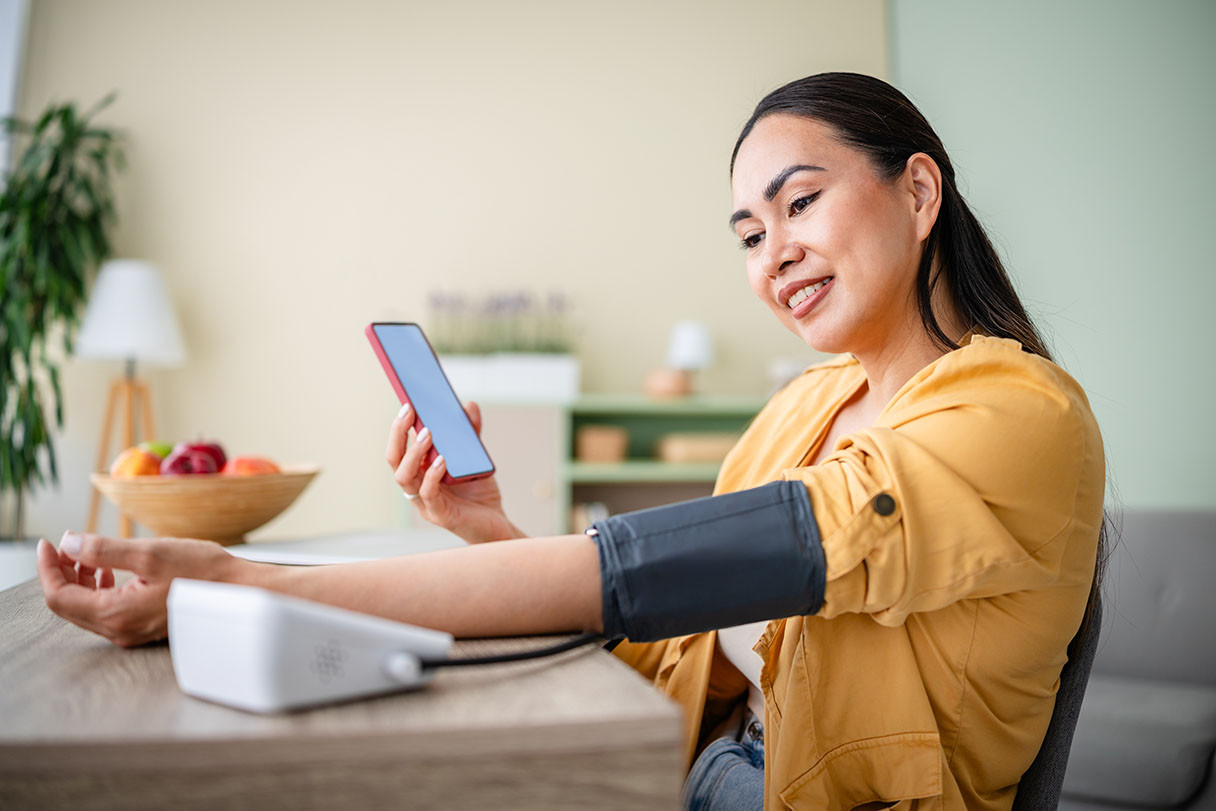
Nearly 500 women have enrolled in the Postpartum Hypertension Program and have received blood pressure cuffs to use at home. For two weeks, patients record blood pressure readings through a secure patient portal integrated into their electronic medical record. This allows the care team to review results in a timely manner and respond when readings require attention.
“Our program isn’t just about numbers,” Fabricant said. “It’s about making sure patients understand what their blood pressure readings mean, feel supported and know someone is paying attention and ready to intervene if needed.”
Improving Long-Term Cardiovascular Follow-Up
A central goal of the Postpartum Hypertension Program is to improve follow-up with healthcare providers who can evaluate and manage long-term cardiovascular risk.
Among patients receiving care within the Cedars-Sinai system, 72% had a physician visit within six months after giving birth, and 83% of those enrolled in the program followed up with a specialist by 12 months.
“Hypertensive disorders of pregnancy are not limited to pregnancy itself—they are an early marker of future cardiovascular risk,” said Sarah J. Kilpatrick, MD, PhD, chair of the Department of Obstetrics and Gynecology at Cedars-Sinai, who oversaw the creation of the monitoring initiative. “Programs like this help ensure patients stay connected to care and prioritize their own health after childbirth when mothers are more likely to focus on the newborn and their families.”
High Marks From Patients
Patient surveys consistently highlighted the program’s impact on emotional wellbeing during the postpartum transition, according to Fabricant. Participants frequently reported feeling less anxious after discharge and more confident managing their blood pressure at home.
“What we heard repeatedly from patients was how reassuring it was to know their blood pressure was being closely followed during a stressful time,” Fabricant said. “That reassurance helped many patients stay engaged in their care during early postpartum recovery.”
Read more from Cedars-Sinai Stories and Insights: A High-Risk Pregnancy Lifeline
link
About the Author