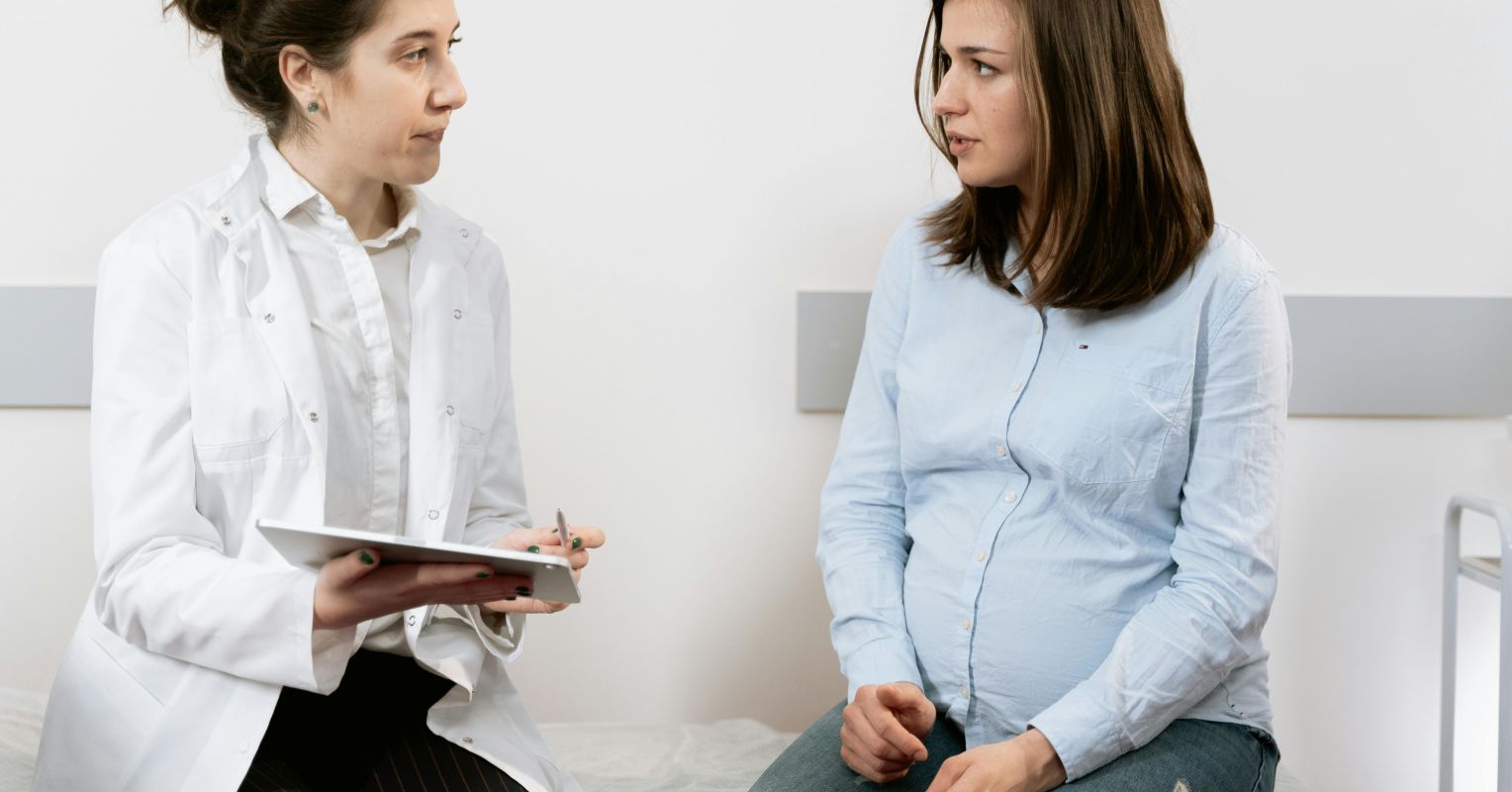
There are many myths surrounding maternal mental health. In this post, we debunk the top 5.
Myth #1: Postpartum depression is the only pregnancy-related mental health disorder
Although postpartum depression is the most frequently discussed, there is a range of mental health disorders known as Perinatal Mood and Anxiety Disorders (PMADs). A person can experience one or more PMADs:
Secondly, the onset for these disorders isn’t just during the postpartum period. Symptoms can be present during pregnancy or anytime during the first year after childbirth.
Myth #2: Only moms can develop perinatal mood and anxiety disorders
Any new parent can suffer from PMADs including moms, dads, non-gestational partners, and those who become parents by adoption or surrogacy.
Myth #3: Perinatal mental health complications are rare
PMADs are the most common complication associated with pregnancy and childbirth. 1 in 5 moms experience a perinatal mental health disorder during pregnancy or postpartum. Rates of PMADs for dads and non-gestational partners are around 1 in 10. Mood complications for parents by adoption or surrogacy reflect a similar rate of postpartum depression for parents by birth (1 in 7 for moms and 1 in 10 for dads). Despite being the most common pregnancy-related complication, PMADs often go undetected and untreated, causing serious complications for parents, babies, and families
Myth #4: Medications to treat mental health disorders are not safe to take if you are pregnant or breastfeeding
Because of misinformation and fear, many women discontinue medications for mental health disorders when trying to conceive or once they become pregnant. Stopping medications, however, brings with it a high risk of symptom relapse. There is considerable medical research supporting the use of a wide range of psychotropic medications during pregnancy and for postpartum women who are breastfeeding. Furthermore, it is important to recognize there are risks of untreated PMADs. As such, it is important to seek consultation with a psychiatric provider trained in reproductive medicine to receive reliable, personalized information on how to best protect mood stability across the pregnancy-postpartum continuum.
Myth #5: PMADs aren’t that serious and will resolve on their own with time
Many people experience mild, temporary mood changes in the first few days after childbirth, which is referred to as the “baby blues.” These symptoms usually resolve on their own within the first few weeks. This is not to be confused with the more significant symptoms experienced with PMADs. Without appropriate intervention, untreated PMAD symptoms can lead to long-term, poor outcomes for the parent, baby, and family. Recent data demonstrated that 84 percent of maternal deaths that occurred in the U.S. from 2017-2019 were preventable. Of these deaths, mental health was the leading cause. This included deaths by suicide, substance abuse, and other mental health-associated deaths. Most of these deaths occurred following childbirth. There is hope, however, because there are a number of effective treatment approaches. As noted above, there are safe medications. Additionally, several evidence-based maternal mental health treatment approaches can be used as an effective alternative or complement to pharmacologic intervention.
If you or someone you love is contemplating suicide, seek help immediately. For help 24/7 dial 988 for the 988 Suicide & Crisis Lifeline, or reach out to the Crisis Text Line by texting TALK to 741741. To find a therapist near you, visit the Psychology Today Therapy Directory.
link
About the Author