One young woman in Central New York decided she wanted to make a difference by impacting health education.
Former Girl Scout Aanya Verma focused on women’s health for her Gold Award project. Her goal was to bring more information to pregnant people to prevent postpartum hemorrhage.
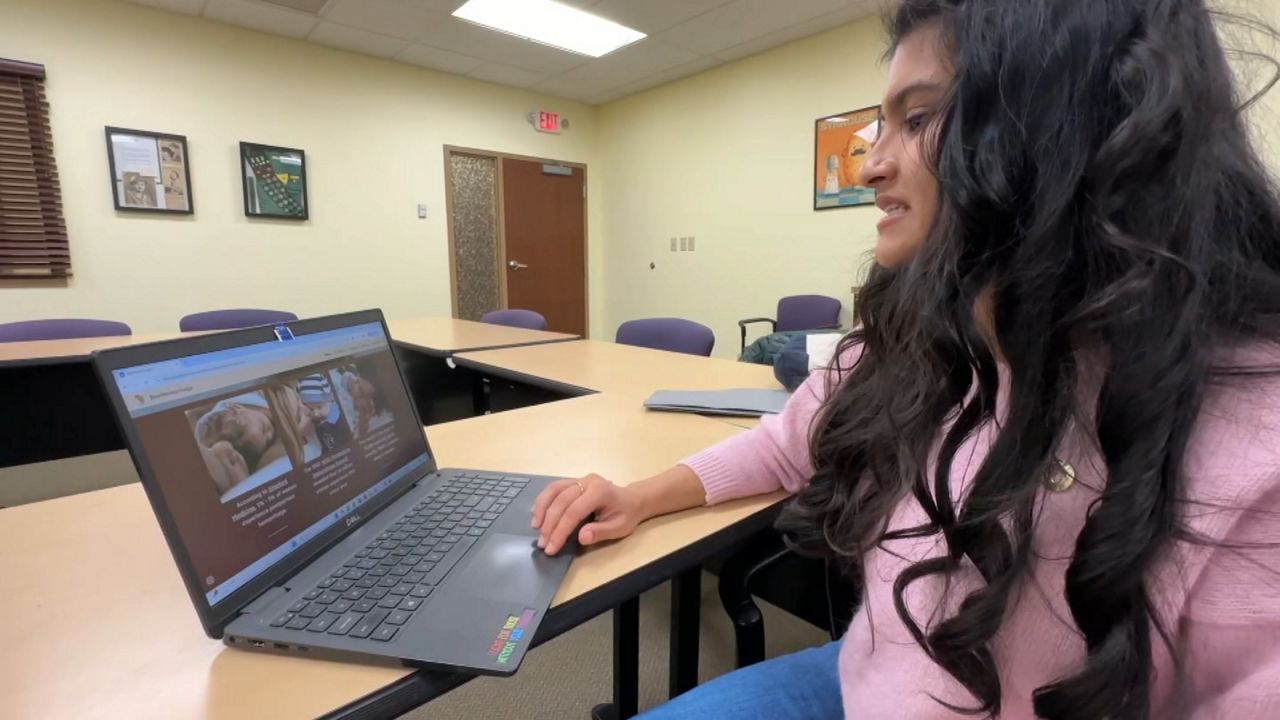
Verma is a college student now, but in the fifth grade, she became a Girl Scout. To culminate her experience, as a senior, she completed a Gold Award project. To accomplish her goal, she created an Instagram account to teach people about postpartum hemorrhage. She says it was getting 5,000 views a month.
According to the World Health Organization, it’s the leading cause of maternal mortality around the world, killing 70,000 people a year. From there, she created a website for her public information campaign, “Beat Hemorrhage: Youth for Maternal Healthcare.”
But she still wanted to do more.
“I wasn’t able to directly see how it impacted people’s lives and also their health care journey. So what I sought out to do was I created this brochure,” said Verma.
She said in high school, she got interested in biology, volunteered at hospital and shadowed doctors, and her interest in health care continued from there.
“We worked with a lot of health care facilities and organizations to get this brochure into their facilities, and this brochure is given to many women in Syracuse today,” said Verma.
From there, she was recognized nationally for her Gold Award project, receiving a college scholarship for $5,000. Nationwide, only 110 girls received the 2025 Gold Award Scholarship.
Verma said survivors told her the value of her project.
“Many of the women that I met who were survivors of it were women who were older. And I also met a lot of random people in random situations, such as grocery shopping. And they would come to me and say that they heard of my project, and that they were really grateful that I was doing something like this,” said Verma.
Verma is now a public health major studying at Syracuse University, and her ambition is to eventually go to medical school.
“It’s really essential that we talk about the survivors and the people who have gone through this, because not only does it take a toll on your body, but it also changes who you are as a person and especially a woman,” said Verma.
link
About the Author