I was recently convinced to do a blended first aid course. I can’t remember the last time I did one, or what it really was, but much has changed in the meantime.
Article content
I was recently convinced to do a blended first aid course. I can’t remember the last time I did one, or what it really was, but much has changed in the meantime. New drugs, new technology, and new ailments mean any previous training may continue bad habits.
Advertisement 2
Article content
Take opioid drugs, for instance. They may have existed for thousands of years but the modern manufactured derivatives like fentanyl were never discussed in previous courses because they did not exist.
Fentanyl overdose and death is a continuing national emergency and if you take first aid, you are instructed in how to treat an overdose with naloxone. It can be injected or by shooting it up both nostrils of someone experiencing an overdose.
And then be prepared for a rapid recovery, but the possibility of the antidote wearing off before the opioid has metabolized out. Then a second treatment is necessary. So, the take-home message is, if you stock a first aid kit, have more than one shot ready. The same goes for EpiPens for allergic reactions. One will likely not be enough.
Advertisement 3
Article content
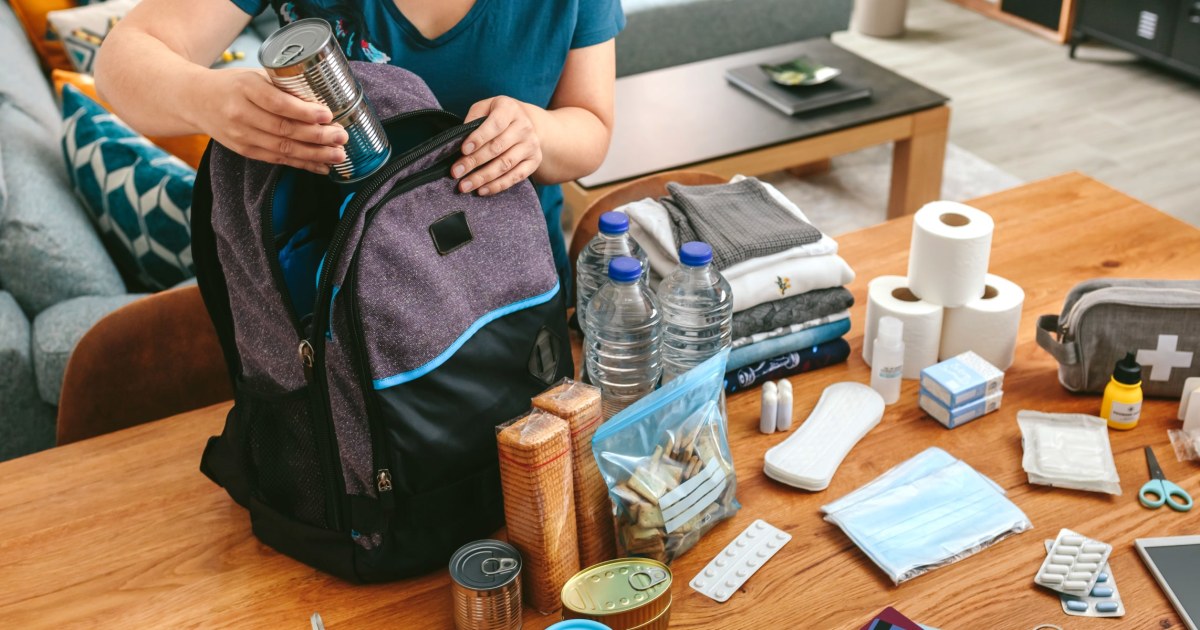
That assumes you have a first aid kit, which we all should especially on farms, but it gets even simpler than that. If someone is suspected of having a heart attack, it is a little late at that point to wonder if there is an AED nearby, and has it been maintained?
But, no matter, because first aid for heart attacks involves administering crushed aspirin under the tongue. Do you have a bottle of aspirin in your barn, tractor, combine, and house? Well, do it. It costs hardly anything and let’s not stop at one bottle. Buy five.
The last time I took first aid, there was no real legal protection for the person doing it. The thing about a first aid en emergency is, a life may be at stake, and the unskilled may be called upon to do something they have never done before, as a last resort.
Advertisement 4
Article content
That means someone called upon to render first can be criticized for doing too little, or worse, for doing too much. So Good Samaritan Acts in many forms have arisen in our provinces and in other jurisdictions. They ensure that someone doing their best in a grim situation cannot easily be found liable for their actions. Survivors can still try to sue, but a legal defense exists.
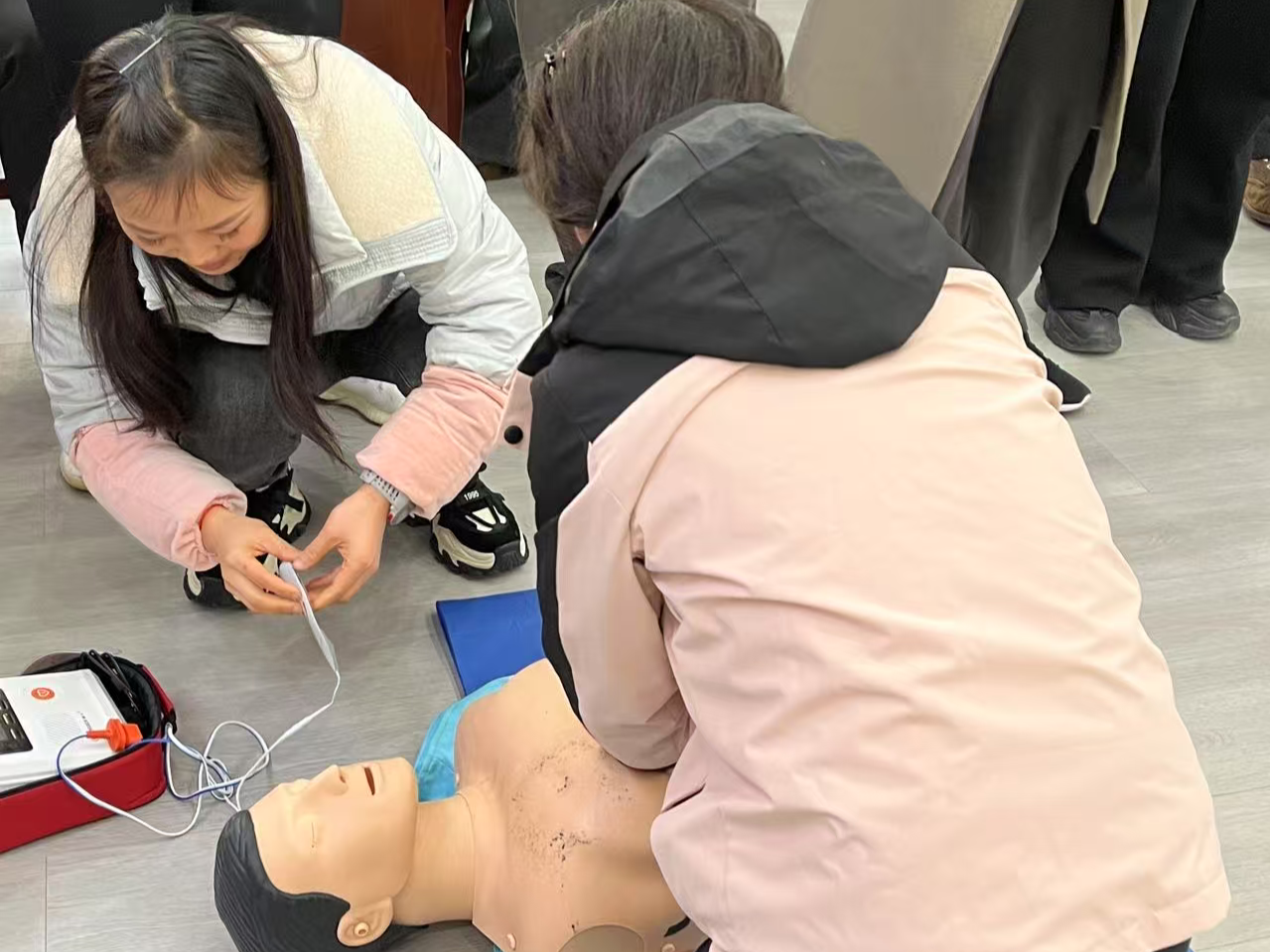
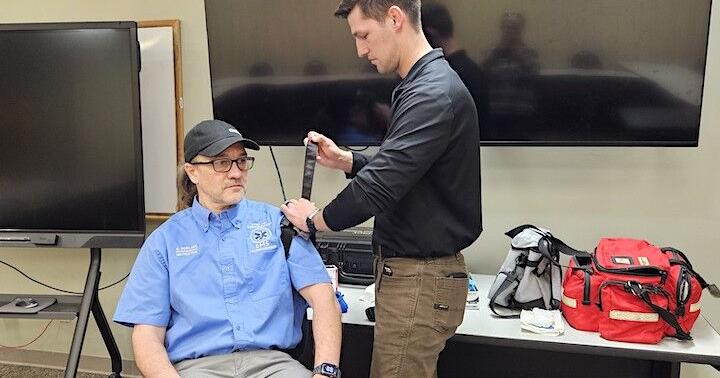
I am not using this space to pass on medical information, beyond a few highlights. The course was eight hours online and then eight hours in a gym. I learned a few things about CPR that I never knew. Being able to work on a dummy doing CPR compressions with a pressure monitor taught me something I have always wondered: how much pressure are we supposed to exert? Turns out, quite a lot. I eventually settled on the pressure I would use drilling holes in cement with a dull bit.
Advertisement 5
Article content
And when using an AED with paddles, who would ever know that too much chest hair will affect the circuit? So have a razor in your first aid kit next to the aspirin. There will not be time for shaving cream.
In a course you may find out more about SADS. Look that up right now. This was never mentioned before either.
It is estimated that one-third of Canadian households do not have anyone trained in first aid, even as a much higher percentage admits to having had a first aid emergency at some point. So maybe just take a course and fix that. Couples like to do it together, it seems, so you don’t have to be touched by a stranger.
Paul Mahon is the editor-in-chief of Ontario Farmer
Article content
link
About the Author