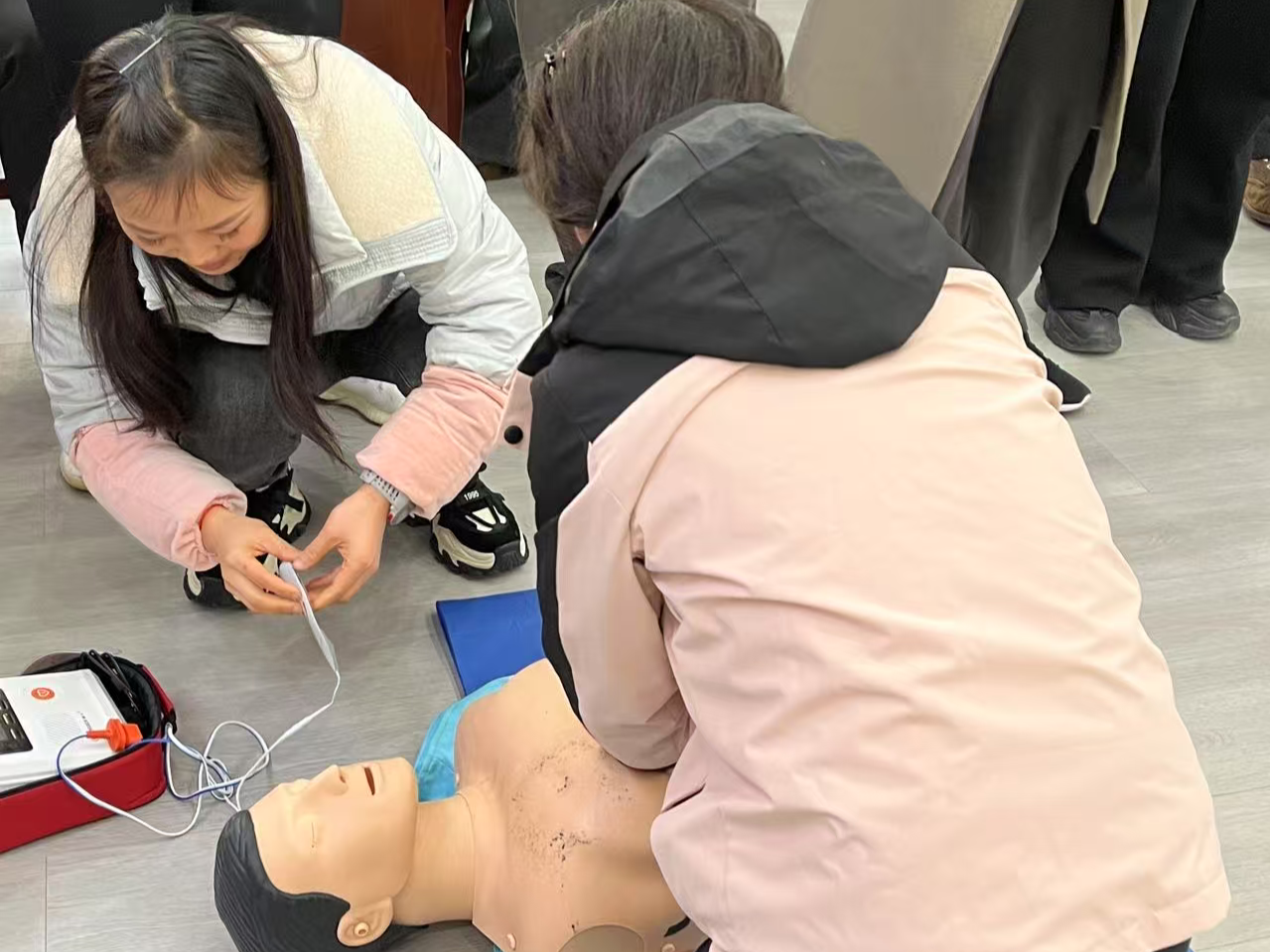
Just 16% of pet owners know how to perform CPR on a pet. As well as this, not many owners own a pet first aid kit, with just 20% of dog, 11% of cat, and 14% of rabbit owners.
This festive season, the key hazards to be aware of include:
• Toxic or poisonous foods, such as Mince pies, Christmas cake, Christmas pudding, Panettone and chocolate.
• Poisonous plants including poinsettia, mistletoe, holly and ivy.
• Cooked bones – Not only easily splinter when they’re chewed and can seriously damage your pet’s throat or stomach or intestines. Bones can also cause blockages if they’re swallowed and could cause your pet to choke.
• Baubles – accidentally eaten, can get stuck in the throat and cause an obstruction or an intestinal blockage if swallowed
• Artificial snow – accidentally eaten in large amounts could cause a build-up in a pet’s stomach, leading to a blockage.
• Tinsel – a choking hazard that can cause serious blockages or even death if swallowed
• Christmas lights – risk of electric shocks to pets from higher-voltage lights.
• Christmas tree water – stagnant water is still a breeding ground for harmful bacteria and could cause an upset stomach if your pet decides to drink it.
The PAW Report also shared how nearly half of dog owners, and a quarter of cat and rabbit owners report their pet eating something they shouldn’t have.
PDSA Vet Catherine Burke advises: “It’s always wise to keep an eye on your pets, and the potential hazards in and around the house, but the festive season often brings extra dangers. It’s a good idea to familiarise yourself with any potential hazards, and reduce the risks in the first place – keeping pets safe and away from poisonous items, and ensuring any toxic or dangerous items aren’t accessible.
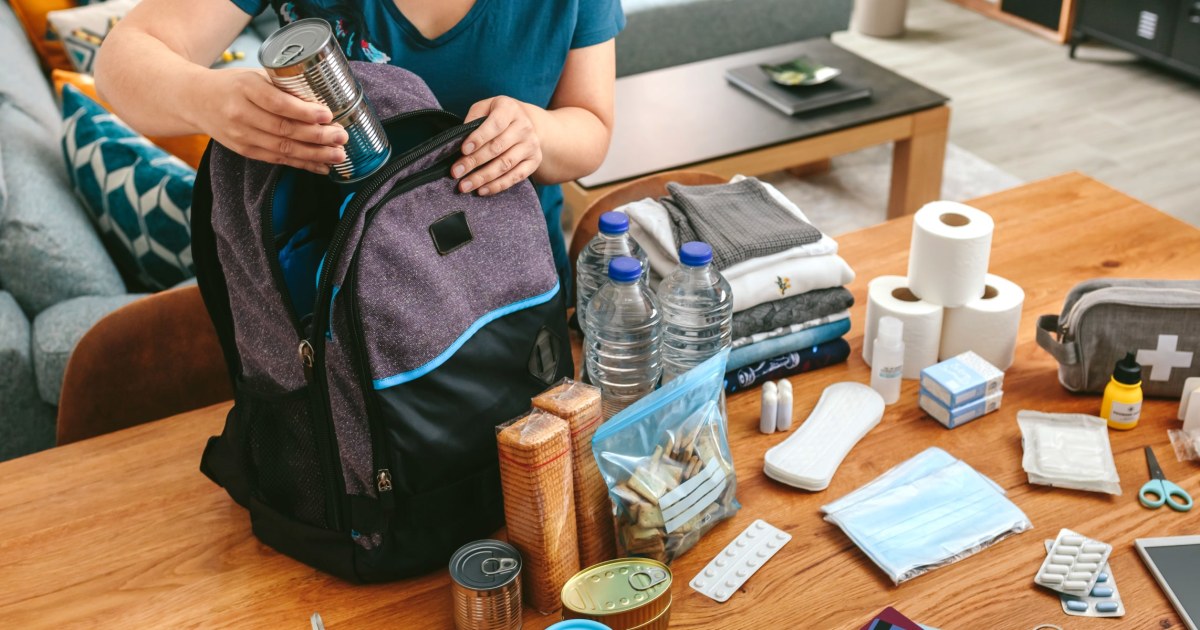
“The best advice we can share, as no matter how careful we are, accidents can happen – be prepared, familiarise yourself with our pet first aid tips, have a pet first aid kit to hand, and quickly seek further vet help in an emergency.”
Remember ‘Dr ABCS’ in an emergency
When a pet has an emergency, it can be hard not to panic. It is important to try to stay calm, assess the situation, give the pet any necessary first aid, and call a vet. It’s helpful to remember the acronym: ‘Dr ABCs’
• Danger – keep yourself and others around you safe.
• Response – check if your pet responds to their name or touch.
• Airway – is their airway clear?
• Breathing – are they breathing?
• Circulation – do they have a pulse or heartbeat?
• Send – someone to ask for help!
In an emergency a pet is likely to feel frightened and may react differently to normal, they may even bite. People should try to keep their voice as calm as possible and make slow, gentle movements to reassure them. If a pet needs to be moved when they’re injured, this needs to be done really carefully.
Catherine added: “We know in an emergency that pet first aid can be a lifesaver and may help to alleviate the need for extensive further veterinary care if appropriately administered. The figures in our PAW Report reveal there is a knowledge gap across owners when it comes to basic pet first aid skills.
“We know that taking the right actions in the first few minutes following an emergency, as well as seeking prompt veterinary attention can make a huge difference to the outcome of the situation, which highlights the importance of owners being able to provide first aid to their pets.”
PDSA has a full pet first aid guide, covering common pet emergencies including broken bones, breathing problems and more. Head to: www.pdsa.org.uk/first-aid-for-pets to download the free guide.
ENDS
Notes to Editors
As the UK’s largest veterinary charity, PDSA is dedicated to supporting people and their pets during difficult times. We believe that every pet deserves a happy and healthy life.
By providing free and low-cost vet care through our 49 Pet Hospitals across the UK we prevent suffering, help to relieve poverty and keep people together with their much-loved pets.
Every year, we provide over two million veterinary treatments, and support over six million people with our expert pet care advice. We receive no government funding, relying entirely on generous public support to fund our vital services.
For media enquiries contact the Press Office on [email protected], or visit www.pdsa.org.uk/press-office.
link