Whether you’re biking a new trail, heading to your favorite camping spot or just frolicking with your kids in the backyard, summer provides endless opportunities for fun.
Yet all that activity brings the possibility of injury.
Christine Bozich, MD, medical director of the MultiCare Mary Bridge Children’s Urgent Care Network, shares what to put in your first aid kit so you and your family are well-prepared for all manner of minor mishaps this summer.
Cuts, scrapes, sprains and wounds
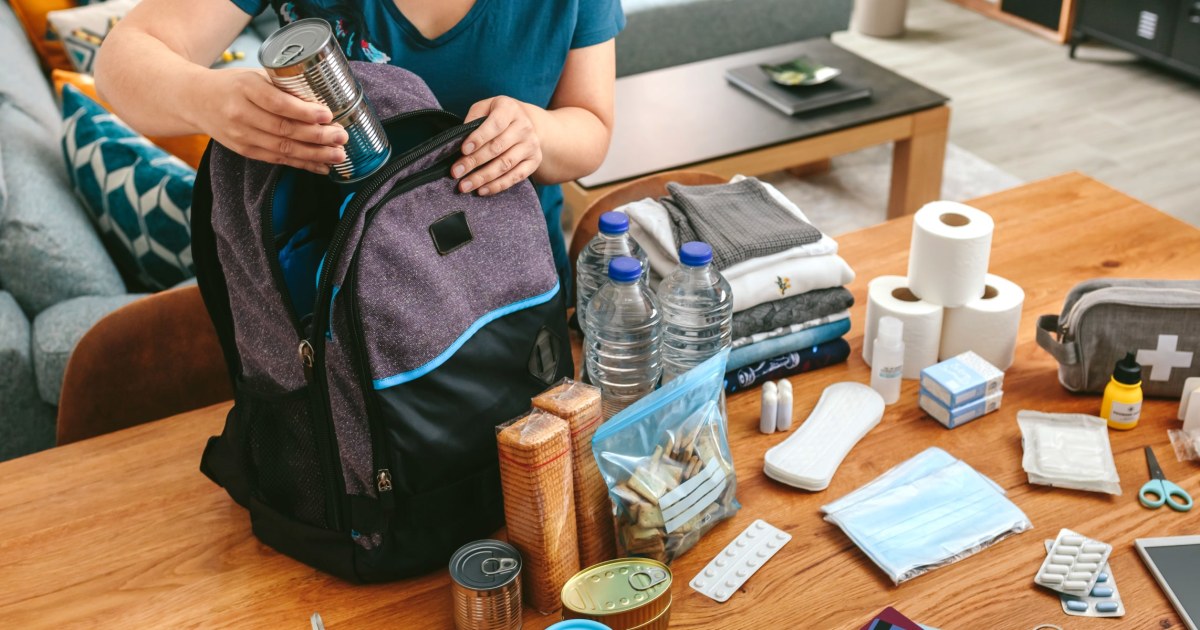
You can build your own first aid kit or buy one that’s prepacked. If you decide to do it yourself, make sure to choose a durable container that will keep the items inside clean and dry.
Whether you assemble your own kit or buy one ready-made, Dr. Bozich recommends including these basic items, which can be useful for treating minor injuries:
- Adhesive bandages in various sizes
- Butterfly bandages (also known as Steri-Strips)
- Gauze pads
- ACE bandage or wrap
- Medical tape
- Antiseptic wipes or spray
- Small bottle of saline (sterile water) for flushing out wounds
- Antibiotic ointment, such as Neosporin
- Disposable ice packs
- Disposable non-latex gloves
- Hand sanitizer
- Digital thermometer
- Scissors
- Tweezers
- Pain relievers like ibuprofen or acetaminophen (do not give aspirin to anyone under 18)
- First aid manual
- Zip-close plastic bags (to dispose of medical waste if you’re out and about)
While you can self-treat many minor wounds, there are some situations where you should seek medical attention.
“If a wound is deep enough that you can see fat or tissue underneath, or if you can’t stop the bleeding by applying pressure, then you should get evaluated by a medical professional,” Dr. Bozich says. “You should also seek care if a wound occurs in an area of cosmetic concern, like your face, or if you get bitten by an animal.”
If you’re doing an activity in a remote area, where immediate medical care may not be available, consider adding these items to your kit:
- Structural aluminum malleable splint (SAM splint) — a lightweight, compact device that can temporarily stabilize injuries like fractures or sprains
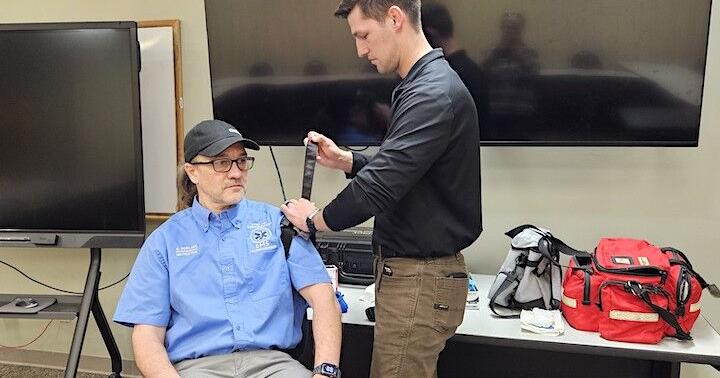
- Tourniquet — a band that can help control bleeding for severe arm and leg injuries
- Emergency mylar blanket
Bug bites, stings and allergic reactions
The great outdoors can be full of surprises, not all of them welcome. Getting bitten or stung or coming into contact with poison ivy can lead to itchy, swollen skin. Here are some items to keep on hand to help prevent and treat these problems:
- Insect repellent
- Hydrocortisone or Benadryl cream
- Oral allergy medications, such as Benadryl (diphenhydramine) or Zyrtec (cetirizine)
- Prescription medications, such as an EpiPen or an inhaler (if recommended by a health care provider)
- Calamine lotion
If you experience signs of a severe allergic reaction, such as difficulty breathing, throat tightness, or swelling of the face and mouth, and you do not have an EpiPen, Dr. Bozich recommends calling 911.
You’ll also want to keep an eye on a bug bite or sting in the days that follow.
“Watch for increasing redness, swelling or pus,” Dr. Bozich says. “Also be on the lookout for any new symptoms, such as fever, body aches or joint pain. Seek medical attention if any of these changes happen or if the affected area seems to be getting worse instead of healing.”
Tips to help you handle the unexpected
Now that your first aid kit is well stocked, here are some tips to ensure you’re ready for whatever summer throws your way:
Keep your kit up to date. Check your kit periodically for items that have expired or run out. Expired items should be replaced. They may not work as intended after their expiration date.
Consider a travel first aid kit. Injuries and accidents can happen anywhere, not just at home. It’s a good idea to keep a kit at home and in the car so you have what you need if the unexpected happens while you’re on the go.
Customize your kit. While the items suggested in this article can help you deliver first aid in a variety of situations, it’s a good idea to customize your kit according to the activity you’ll be doing, the conditions expected and who will be present. Some additional items you might consider during summer include oral rehydration solution (for treating dehydration), cooling towels (to provide quick relief in hot weather) and aloe vera for sunburns.
Store properly and spread the word. Ensure that everyone in your family, including children, know where your first aid kits are located. These spots should be easily accessible but out of reach of curious toddlers. Avoid storing a first aid kit in a humid environment like a bathroom. Consider showing older children (6 and up) how and when to use items in the kit. This may help ease fear when emergencies do arise.
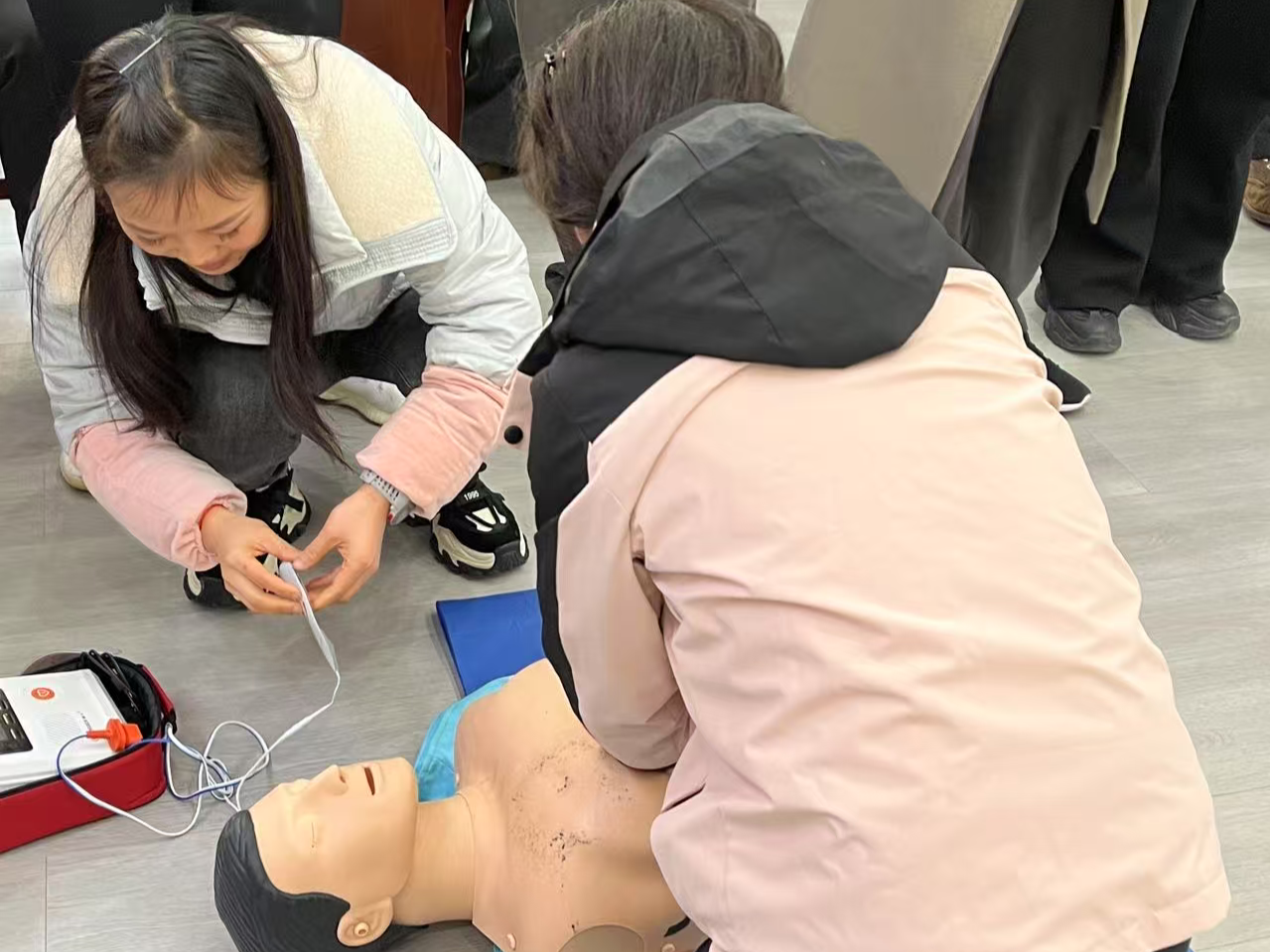
Take a first aid or CPR course. Your kit may come with a manual about how to deliver first aid, but participating in training can ensure you know what to do in an emergency without hesitation. Visit the American Red Cross website to find a first aid or CPR class near you.
link
About the Author